
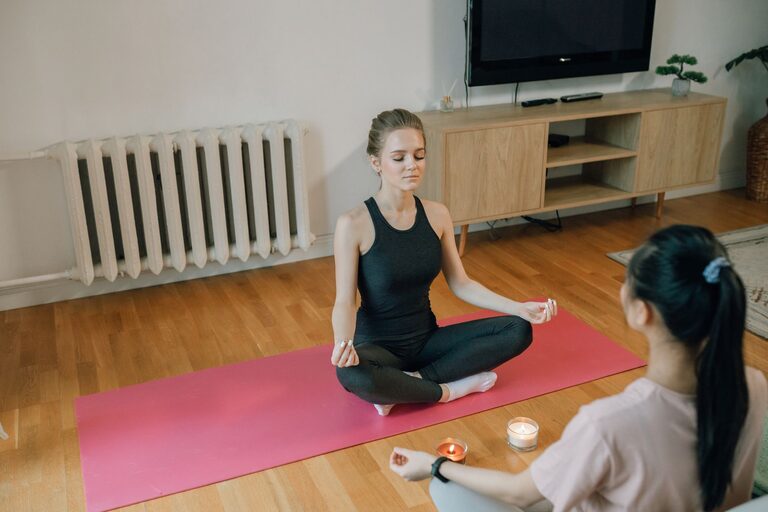

Taking mindful breathing breaks is an easy yet powerful way to bring calm and clarity into your daily routine. Whether you’re at work, home, or on the go, a few minutes spent focusing on your breath can help reduce stress, improve concentration, and promote overall well-being. If you’re new to mindful breathing, this guide offers practical tips to get started and make the most of your breathing breaks.
What Is Mindful Breathing?
Mindful breathing is the simple practice of paying attention to your breath—how it feels as it enters and leaves your body—without trying to change it. It’s a form of mindfulness, which means being present in the moment with openness and without judgment.
Mindful breathing can be done anytime and anywhere. The goal isn’t to force your breath into a specific pattern, but rather to observe it calmly and gently redirect your attention whenever your mind wanders.
Why Take Mindful Breathing Breaks?
Life can be busy and overwhelming at times. Mindful breathing breaks serve as quick reset moments that help you:
– Reduce stress and anxiety
– Improve focus and mental clarity
– Lower heart rate and blood pressure
– Enhance emotional balance
– Increase self-awareness
Regular mindful breathing can contribute to better health and greater resilience to daily challenges.
Beginner Tips for Mindful Breathing Breaks
1. Start Small and Be Consistent
If you’re new to mindful breathing, start with just 1 to 3 minutes per break. You don’t have to dedicate long sessions—short, consistent practice yields benefits over time. You can gradually increase to 5 or 10 minutes as it feels comfortable.
2. Find a Comfortable Position
You can practice mindful breathing sitting, standing, or lying down. Choose a position where your body feels relaxed but alert. Sit with your back straight but not stiff, and let your hands rest gently on your lap or knees.
3. Focus on Your Natural Breath
Begin by simply noticing your breath as it flows in and out. Don’t try to control or change the rhythm. Pay attention to:
– The sensation of air passing through your nostrils
– How your chest or belly rises and falls
– The subtle sounds of your breath
4. Use a Simple Counting Technique
If your mind feels restless, try counting your breaths to help focus. For example, inhale and count “one,” exhale and count “two,” up to five, then start over. This can anchor your attention without effort.
5. Gently Redirect When Distracted
It’s natural for your mind to wander. When you notice this happening, kindly bring your focus back to your breath without judgment. Think of it like a gentle nudge rather than a correction.
6. Practice Breathing Breaks Regularly
Set reminders throughout your day to pause for mindful breathing. You might choose times like before meetings, after lunch, or when you feel stressed. This builds a habit that integrates mindfulness into your daily routine.
7. Incorporate Mindful Breathing into Everyday Activities
You don’t have to isolate mindful breathing to a quiet space. You can practice while waiting in line, during a walk, or even at your desk. Paying attention to your breath during these moments keeps you grounded.
8. Use Guided Breathing Resources
If you prefer some guidance, there are many free apps and online videos for beginner-friendly breathing exercises. These can provide structure and help you develop your practice with ease.
Example of a Simple Mindful Breathing Break
Here’s an easy 3-minute exercise to try anytime:
- Sit comfortably with your back straight. Close your eyes if you like.
- Take a deep breath in through your nose, feeling your belly expand.
- Slowly exhale through your mouth, feeling your belly fall.
- Continue breathing naturally and notice the sensation of each breath.
- If your mind wanders, gently bring it back to focusing on your breath.
- Repeat this for 3 minutes, then slowly open your eyes.
Tips to Make Mindful Breathing a Habit
– Pair your breathing breaks with an existing habit, like after brushing your teeth or before drinking coffee.
– Keep a journal to note how you feel before and after breathing breaks.
– Create a calm environment by reducing noise or dimming lights if possible.
– Be patient with yourself; consistency matters more than perfection.
Final Thoughts
Mindful breathing breaks are a simple yet effective way to nurture your mental and emotional health. By starting small and practicing regularly, you’ll likely notice improvements in your stress levels, focus, and overall sense of calm. Remember, the practice is about being kind and patient with yourself as you cultivate this new habit.
Try incorporating these beginner tips into your day, and enjoy the benefits of mindful breathing wherever life takes you.