
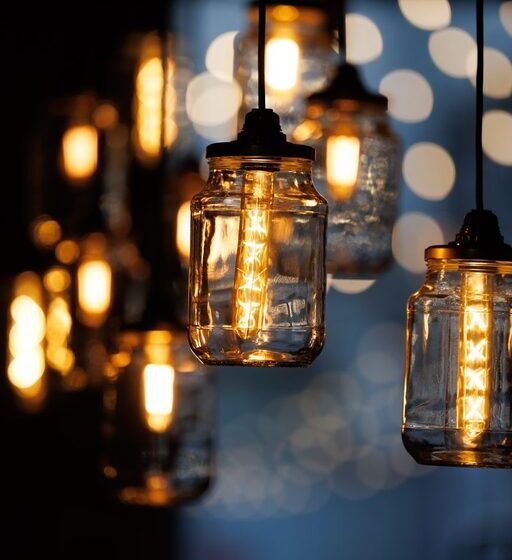

Creating a comfortable living environment starts with thoughtful lighting choices. The right home lighting not only brightens your space but also sets the mood, highlights design features, and supports daily activities. Whether you’re designing a new room or updating your current setup, selecting comfortable lighting is essential. This guide covers helpful tips to make your home lighting both functional and inviting.
Understanding the Importance of Comfortable Lighting
Lighting affects how you feel and interact with your space. Harsh or dim lighting can cause eye strain, discomfort, and even impact your sleep quality. On the other hand, well-planned lighting enhances ambiance, supports productivity, and makes your home more enjoyable.
Types of Lighting to Consider
Before diving into choices, it helps to know the main types of lighting used in homes:
– Ambient Lighting: The general lighting that fills the room, providing overall illumination.
– Task Lighting: Focused lighting meant for specific activities like reading or cooking.
– Accent Lighting: Used to highlight artwork, architectural features, or decorative objects.
– Decorative Lighting: Fixtures that serve an aesthetic purpose, adding personality to the room.
Balancing these lighting types is key to achieving comfortable and versatile illumination.
Tips for Choosing Comfortable Home Lighting
1. Prioritize Natural Light
Natural daylight is the most comfortable and visually pleasing light source. When planning lighting, maximize window space and use sheer curtains to allow sunlight while maintaining privacy. Natural light adjusts throughout the day, promoting a healthy living environment.
2. Select the Right Bulb Color Temperature
Bulbs come in various color temperatures measured in Kelvin (K), which influences the light’s warmth or coolness:
– Warm White (2700K–3000K): Produces a cozy, yellowish glow ideal for living rooms and bedrooms.
– Neutral White (3500K–4100K): Balanced light that suits kitchens and bathrooms.
– Cool White (5000K+): Bright, bluish light that works well in workspaces or garages.
Choose bulbs with a color temperature that matches the room’s function and desired mood.
3. Use Dimmers for Flexibility
Installing dimmer switches allows you to adjust light levels according to the time of day and activity. Dimmers help reduce glare, save energy, and create a relaxing ambiance in the evening.
4. Consider Layered Lighting
Combining ambient, task, and accent lighting creates depth and dimension. For example, a living room might have overhead lights, reading lamps, and wall sconces to accommodate various needs and moods.
5. Choose Fixtures That Diffuse Light Softly
Avoid harsh, direct light sources. Fixtures with frosted glass, fabric shades, or diffusers scatter light evenly, reducing glare and shadows that cause eye strain.
6. Check the Brightness Level (Lumens)
Lumens measure the brightness of a bulb. Instead of focusing on wattage, which indicates energy use, check lumens to ensure appropriate light intensity. For example, a living room might need around 1,500 lumens distributed across several fixtures.
7. Match Lighting Style with Room Décor
While comfort is key, lighting should also complement your home’s style. Choose fixtures that blend well with your décor, whether modern, rustic, or traditional, to maintain a cohesive look.
8. Place Lights Strategically
Position lighting to avoid shadows in work areas and highlight important features. For instance, place kitchen task lights under cabinets and reading lamps near seating areas.
9. Opt for Energy-Efficient Bulbs
LED bulbs last longer and use less energy compared to traditional incandescent bulbs. They also come in a variety of color temperatures and dimming options, making them a smart, eco-friendly choice.
Common Mistakes to Avoid
– Over-lighting: Too many bright lights can cause discomfort and energy waste.
– Neglecting task lighting: Relying only on general lighting can make activities like cooking or reading difficult.
– Ignoring bulb quality: Cheap bulbs might flicker or produce poor color, impacting comfort.
– Using harsh fluorescent lights: These can cause glare and an uncomfortable atmosphere.
Final Thoughts
Choosing comfortable home lighting involves more than just picking pretty fixtures. It requires understanding how light interacts with your space, activities, and personal preferences. By prioritizing natural light, selecting the right bulb temperature, layering different types of lighting, and using dimmers, you can create a warm and inviting home environment that supports your daily life.
Investing time in planning your home lighting will pay off in a space that feels both comfortable and beautiful day and night. Happy lighting!